Why Everything Becomes “High Priority” (And Why Your Team Needs a Clear System)
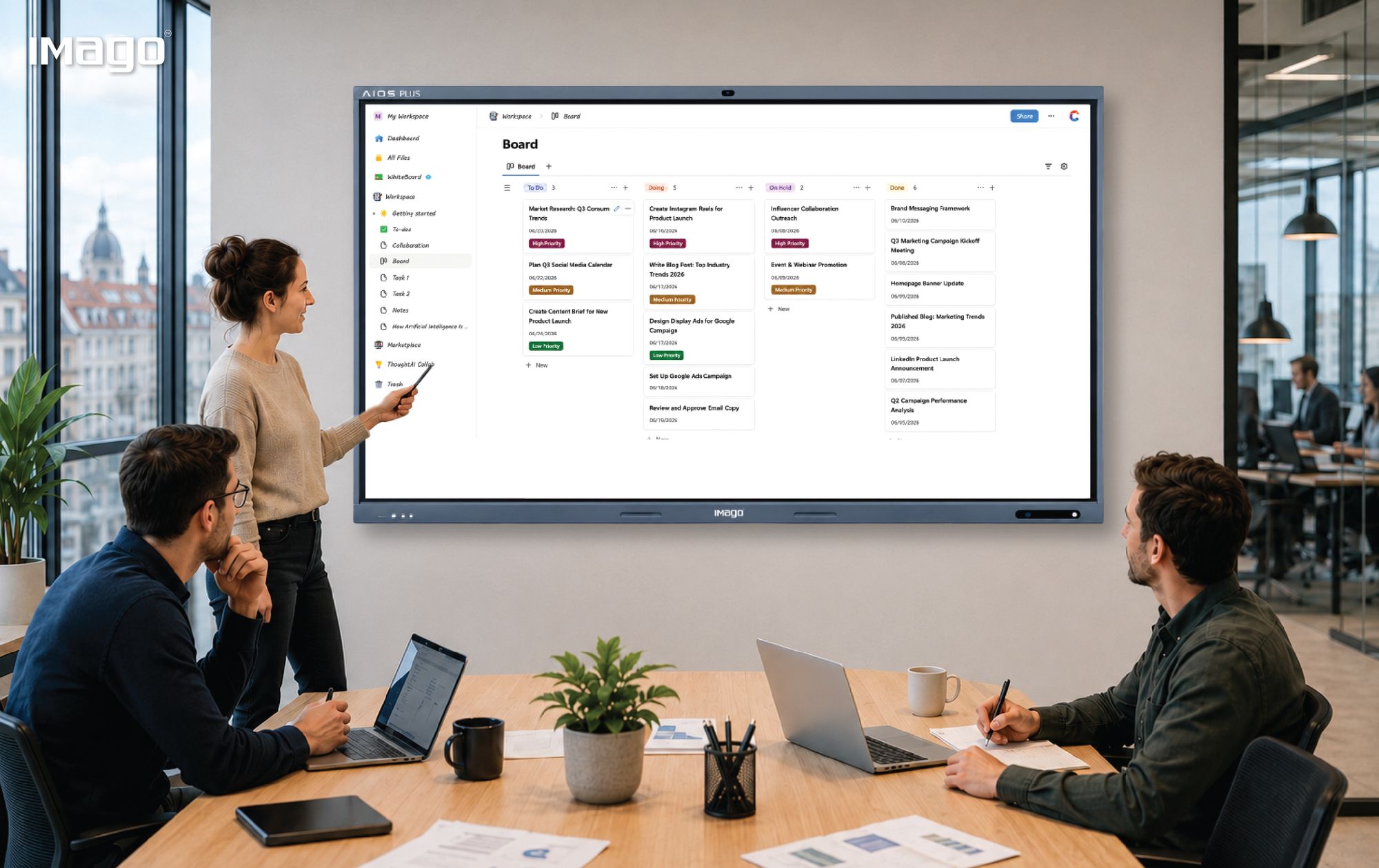
In today’s fast-paced work environments, managing tasks efficiently is crucial for team success and productivity. One common tool teams use to stay organized is the system of priority labels—categorizing tasks as high, medium, or low priority. Ideally, these labels help teams focus on what matters most and allocate resources effectively.
However, many teams face a recurring challenge: over time, the meaning of “high priority” becomes diluted as more and more tasks are labeled urgent. This leads to confusion, misalignment, and a reactive work culture where everything feels critical, yet nothing is truly prioritized.
In this article, we’ll explore why this happens, what “high,” “medium,” and “low” priority really mean, and why establishing a clear priority system is essential for creating clarity, reducing stress, and driving intentional execution within your team.
What “High, Medium, and Low Priority” Are Supposed to Mean
In an ideal workflow, priority levels have clear, distinct meanings that guide how teams allocate their time and resources. Here’s a deeper dive into what each level represents:
🔴 High Priority
High priority tasks are those that require immediate attention because they have significant consequences if delayed. These are the critical issues that can affect deadlines, disrupt operations, or impact key outcomes.
Examples:
- Fixing a major bug that’s causing system downtime
- Responding to a client emergency or urgent request
- Preparing a deliverable that is due within hours
- Addressing a security vulnerability that threatens data safety
High priority means this task must be addressed now or in the very near term because delaying it will cause serious problems. It often involves quick decision-making and focused effort to prevent or mitigate damage.
🟡 Medium Priority
Medium priority tasks are important for progress but don’t require immediate action. These tasks contribute to long-term goals and should be scheduled and planned carefully.
Examples:
- Developing features for the next product release
- Conducting routine maintenance or updates
- Preparing reports or documentation due in the coming days
- Following up on non-urgent client requests or feedback
These tasks are neither emergencies nor trivial. They require thoughtful attention and should be completed soon, but delaying them for a short time won’t cause immediate disruption.
🟢 Low Priority
Low priority tasks are those that add value but aren’t time-sensitive. They often involve improvements, nice-to-haves, or activities that can be done when there is extra capacity.
Examples:
- Researching new tools or technologies
- Organizing files or cleaning up the workspace
- Brainstorming ideas for future projects
- Training sessions or team-building activities
These tasks can be safely postponed without impacting critical progress. They help improve the workflow or team environment but aren’t urgent.
Why Everything Starts Becoming “High Priority”
In many teams, priority labels slowly lose their meaning. Not because people don’t care—but because of how work flows in real life.
Here’s what usually happens:
When there’s no clear structure for managing tasks, people rely on urgency to get attention. Instead of asking “where does this belong?”, the easier option becomes “just mark it as urgent so it gets noticed.”
So “high priority” stops meaning “important and urgent” and starts meaning:
- “Please look at this”
- “I don’t want this to get delayed”
- “I need visibility on this”
- “This is stuck, so I’ll escalate it”
Over time, everything gets pushed upward.
And when everything is a high priority… nothing actually is.
The Real Problem: Priority Becomes Communication, Not Structure
In chaotic workflows, priority labels turn into communication shortcuts rather than decision-making tools. Instead of defining what truly matters, priority labels become signals of pressure.
This leads to:
Too many “urgent” tasks competing simultaneously
Critical work getting lost in the noise
Teams constantly reacting instead of planning proactively
Confusion about what should be tackled first
The biggest consequence? People start ignoring priority labels because they no longer help distinguish what’s truly important.
Why Having a Clear System Actually Matters
A priority system is not just about organizing tasks.
It’s about creating clarity.
A good system helps teams answer three simple questions instantly:
- What needs attention right now?
- What should be planned next?
- What can safely wait?
Without that structure, every task competes for attention at the same level. With structure, work becomes intentional.
People stop guessing.
People stop over-escalating.
People stop treating everything like an emergency.
Instead, they focus on what actually matters.
Final thoughts
IMAGO Board brings structure to how teams manage work by giving them a single shared space where tasks, priorities, and updates are clearly organised and visible to everyone. It removes the need for constant checking, repeated follow-ups, and unclear urgency messages by keeping everything in one place with aligned understanding. This creates better focus, stronger accountability, and faster execution, because teams always know what needs attention and where things stand without confusion or noise.