We Need to Talk About the End of Static Workspaces
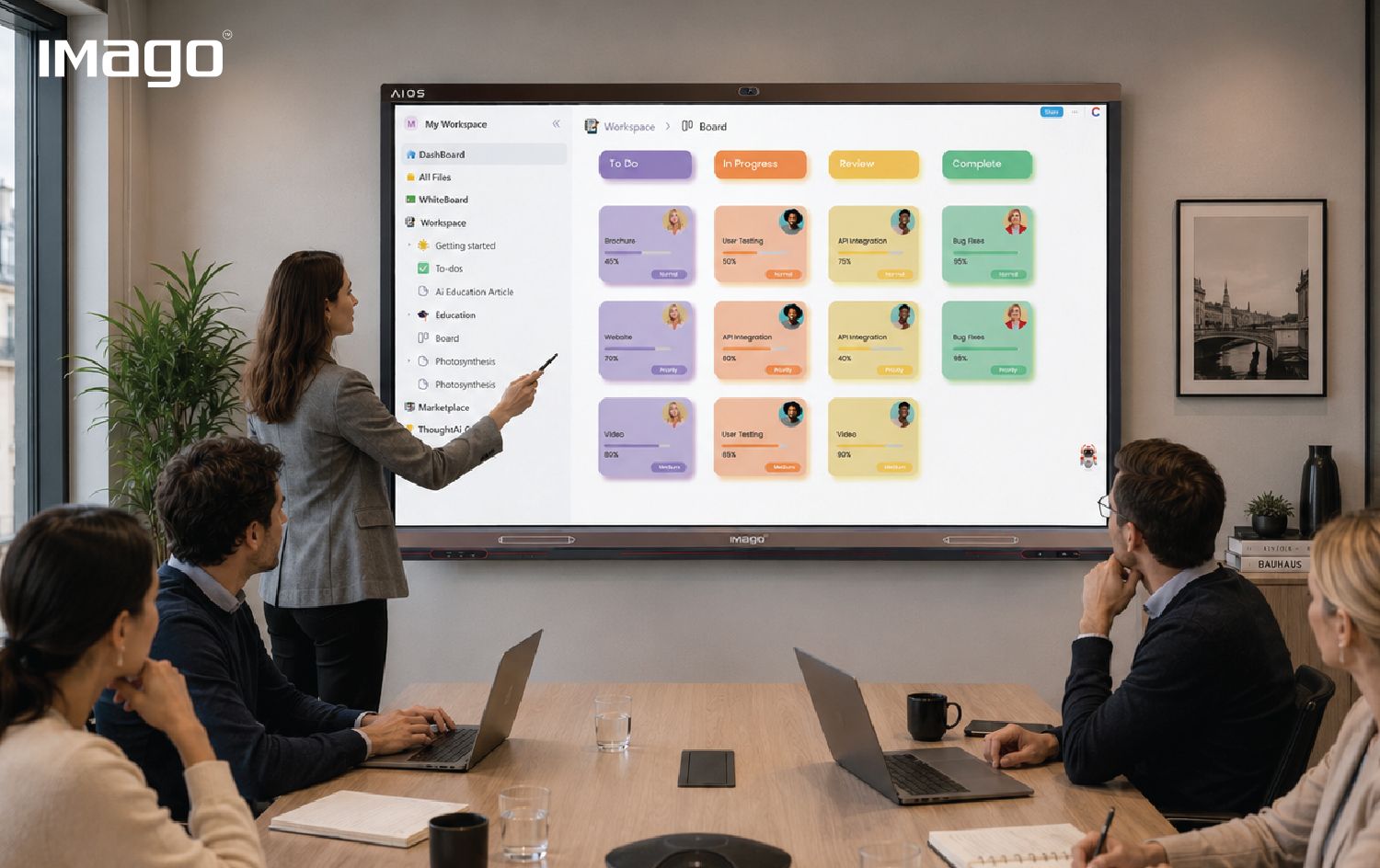
The tools your enterprise teams built around 30 years ago were designed for a world that no longer exists. It's time to have the conversation nobody wants to have.
There is a particular kind of frustration that enterprise teams have learned to live with. It's not dramatic — no system crashes, no catastrophic data loss. It's quieter than that. It's the meeting that could have been a comment thread. It's the project dashboard that shows everything is "on track" until suddenly it isn't. It's the three separate tools your team needs open simultaneously just to answer the question: where are we on this?
This is the cost of the static workspace and most enterprises are paying it every single day without realizing it.
"The most expensive software in any enterprise is the one everyone uses but nobody trusts to show the full picture."
What we mean by "Static Workspaces"
Static workspaces refer to conventional office setups where employees have assigned desks or cubicles, fixed office hours, and limited flexibility in work location or schedule. These environments often feature closed offices or uniform rows of desks, promoting a one-size-fits-all approach to productivity and collaboration.
Static workspaces show up in many forms. Sometimes it's a legacy project management tool that hasn't evolved in five years. Sometimes it's a patchwork of Gantt charts, email threads, shared drives, and messaging apps that were never meant to work together. Sometimes it's a single platform that was built for a team of 20 and is now somehow running operations for 2,000.
The defining characteristic is this: you have to go looking for the truth. The workspace doesn't surface for you.
How we got here
Static workspaces didn't happen by accident. They happened because enterprises made reasonable decisions, one at a time, over many years. A project manager needed a better task list, so they bought a task tool. The communications team needed something faster than email, so they added a messaging app. The leadership team needed visibility, so they bolted on a reporting layer. Each decision made sense in isolation. Together, they created a fragmented, disconnected tangle that nobody fully owns and everyone quietly resents. This is what technology researchers call "tool sprawl" — and it's one of the defining enterprise productivity problems of the last decade.
Why Are Static Workspaces Becoming Obsolete?
1. Rise of Remote and Hybrid Work Models
The COVID-19 pandemic accelerated remote work adoption worldwide, demonstrating that productivity doesn’t require a fixed physical location. Hybrid work models where employees split their time between home and office have become the new norm, rendering static workspaces less relevant.
2. Demand for Flexibility and Employee Autonomy
Modern employees prioritize flexibility, work-life balance, and autonomy. Static workspaces with rigid structures limit these priorities, leading to dissatisfaction and decreased engagement. Flexible workspaces support diverse working styles and empower employees to choose environments where they thrive.
3. Advances in Technology
Cloud computing, collaboration tools like IMAGO Collab, Slack and Microsoft Teams, and mobile devices enable seamless communication and work from anywhere. These technologies diminish the need for fixed desks and centralized offices.
4. Emphasis on Collaboration and Innovation
Static workspaces often isolate employees, stifling spontaneous collaboration and creativity. Dynamic workspaces with open layouts, breakout zones, and shared resources encourage interaction and innovation.
What a truly dynamic workspace looks like in 2026
The good news is that the generation of all-in-one workspace platforms available today is meaningfully different from what came before. The best platforms don't just consolidate your tools — they actively change how your teams relate to their work. Here is what to look for:
Unified project views
Every project, every team, every dependency visible from a single dashboard — no toggling, no tab-switching, no "let me check with my team."
Contextual communication
Conversations attached to tasks and projects — not floating in a chat channel where context evaporates within 24 hours.
AI-assisted project intelligence
Platforms that flag delays before they happen, suggest task reassignments, and auto-generate progress reports your leadership will actually read.
Cross-department visibility
Real-time transparency across teams, business units, and geographies — so a dependency in one department never blindsides another.
Enterprise-grade security
Granular permission controls, audit trails, and compliance features built for organizations where data governance is non-negotiable.
Live reporting without extra work
Dashboards that update automatically as work progresses — so reporting is a byproduct of work, not a separate task that eats Friday afternoons.
The migration question: how hard is this, really?
The most common question enterprises ask is not "should we switch?" — most already know the answer to that. It's "how painful will the transition be?" And the honest answer is: less painful than staying where you are, if done right.
The enterprises that transition successfully share a few common practices:
-They run a pilot with one high-visibility team first, building internal advocates before company-wide rollout.
-They migrate work-in-progress projects to the new platform, rather than waiting for a "clean break" that never comes.
-They involve frontline team members — not just leadership — in choosing and configuring the platform.
-They set a clear sunset date for legacy tools, removing the ability to default back to old habits.
The enterprise that waits is the enterprise that falls behind
The end of static workspaces is more than a design trend—it’s a strategic response to a changing world of work. Businesses that embrace dynamic, flexible work environments will unlock greater productivity, innovation, and employee satisfaction. It’s time to rethink the traditional office and create spaces that work for today’s workforce and tomorrow’s challenges.
Ready to move beyond static?
IMAGO Technologies helps large enterprises transition to unified, dynamic workspaces built for how modern teams actually work. Email us at: hello@imago.us to learn more.